 The Discus | Discus Fish Care and Breeding Guide
How to Transport Discus Safely: Moving and Shipping Tips
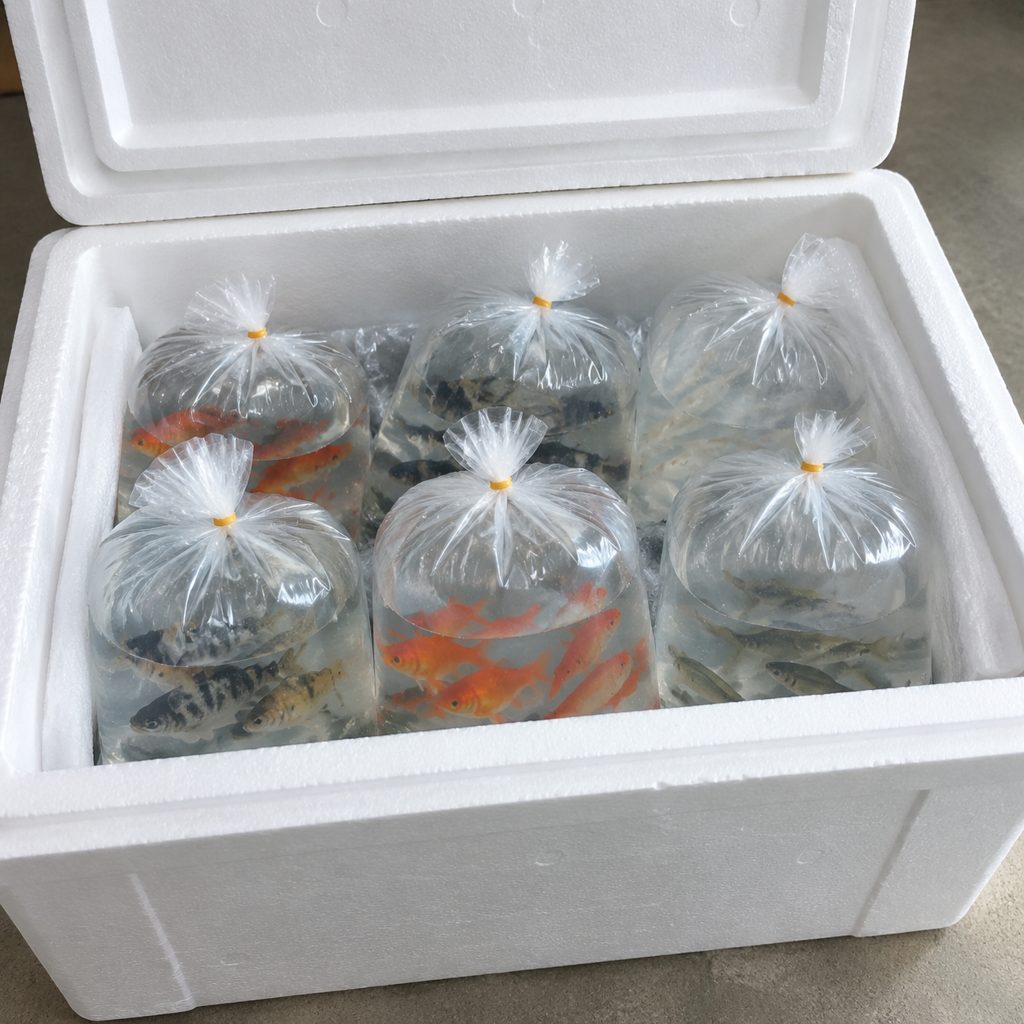
Moving a discus can mean carrying a home aquarium across town, bringing a fish home from a local fish store, or receiving an overnight shipment. The common challenge is the same: a fish travels in limited water while temperature and water quality can change. Plan the route and arrival before packing day, and do not treat an advertised delivery speed as a substitute for careful handling.
Fast before packing
Withhold food for 24–48 hours before departure. A transport bag holds little water, so waste can affect water quality quickly. Fasting a healthy fish for this short period reduces waste during the trip and is generally a better tradeoff than sending it off just after a meal. The intended journey is also 24–48 hours or less when possible, but time alone cannot guarantee safe transport. Fish size, number of fish, water volume, oxygen, packing, and temperature control all matter.
Secure the fish for the journey
| Step | Preparation | Why it helps |
|---|---|---|
| Fast | Stop feeding 24–48 hours before departure | Reduces waste in the bag |
| Bag | Use a secure inner bag and an outer protective bag | Helps contain a leak or tear |
| Oxygen | Have the bag packed with oxygen for a longer trip | Provides oxygen in the bag’s water and air space |
| Insulate | Place the bag in an insulated foam box | Buffers temperature swings; use seasonal packing as appropriate |
For a home move, keep the sealed fish bag out of direct sun and away from a hot car. Summer heat can raise bag temperature quickly; winter cold can pull heat away from the fish. An insulated container helps buffer both, but it cannot make an unsafe vehicle or a long delay safe. Plan a direct route and account for waiting and transfers.
U.S. specialist sellers show what commercial packing can look like, though their procedures are not evidence of a universal industry standard. One U.S.-focused seller describes triple- or quadruple-bagging fish in aged water with oxygen and opaque liners, then packing them in insulated Styrofoam boxes with heat packs. Its stated target shipping-water temperature is 82–84°F. It offers UPS Priority Overnight or Delta Cargo airport-to-airport shipping and describes its current shipments as domestic within the U.S. These are that seller’s stated practices; keepers arranging their own move still need packing suited to the fish and trip.
If you are ordering online
Direct-to-consumer specialist catalogs are one verified U.S. purchasing channel: Discus.com and Myrtle Beach Discus both list fish online. Shipping arrangements and arrival policies differ by seller, so read the details before placing an order and arrange for someone to receive the box promptly. Myrtle Beach Discus says it ships by FedEx overnight within the U.S., including Alaska and Puerto Rico, and requires someone to be present for the first delivery attempt. Its stated dead-on-arrival process asks for a clear photo of the fish in its unopened original bag within two hours. That is one seller’s policy, not a general rule. Save the seller’s contact details and follow its current instructions if a shipment arrives in trouble.
Acclimate without adding bag water
Do not pour transport water into the aquarium. First bring the sealed bag close to the aquarium’s temperature by floating it or placing it in a temperature-stable container. If the temperature difference is large, check it rather than rushing the fish into the tank. Once temperatures are close, move the fish into a clean acclimation container and discard the shipping water. Slowly drip in destination aquarium water while keeping the container warm. There is no single drip rate that fits every situation; observe breathing and posture, and pause to reassess if the fish appears distressed. Transfer it to the aquarium only after temperature and water conditions have been adjusted.
For a house move, also prepare the destination tank before the fish arrives. Have temperature, filtration, and water quality ready instead of leaving the fish waiting in a transport bag while the aquarium is assembled.
Give a weak arrival time to recover
A fish that lies on its side or remains motionless on the bottom should not be pushed into the main aquarium. Isolate it in a separate container or quarantine tank, maintain suitable temperature and water quality, and observe quietly. Imported fish may need quarantine and stabilization before joining established stock. For temperature planning, see our article on summer heat and power outages.
FAQ
Is fasting before transport necessary?
A 24–48-hour fast reduces waste and helps limit water-quality deterioration in the bag. It is a preparation step for a healthy fish, not a reason to extend the fast unnecessarily.
Can I add the shipping water to my aquarium?
No. Discard the bag water after moving the fish to a clean acclimation container, then introduce aquarium water gradually.
How long can a discus travel?
Plan for 24–48 hours or less where possible. The safe duration also depends on fish size and density, water volume, oxygen, and packing; minimize delays rather than treating a time estimate as a guarantee.