 The Discus | Discus Fish Care and Breeding Guide
Homemade Beef-Heart Food for Discus: Recipe and Safety
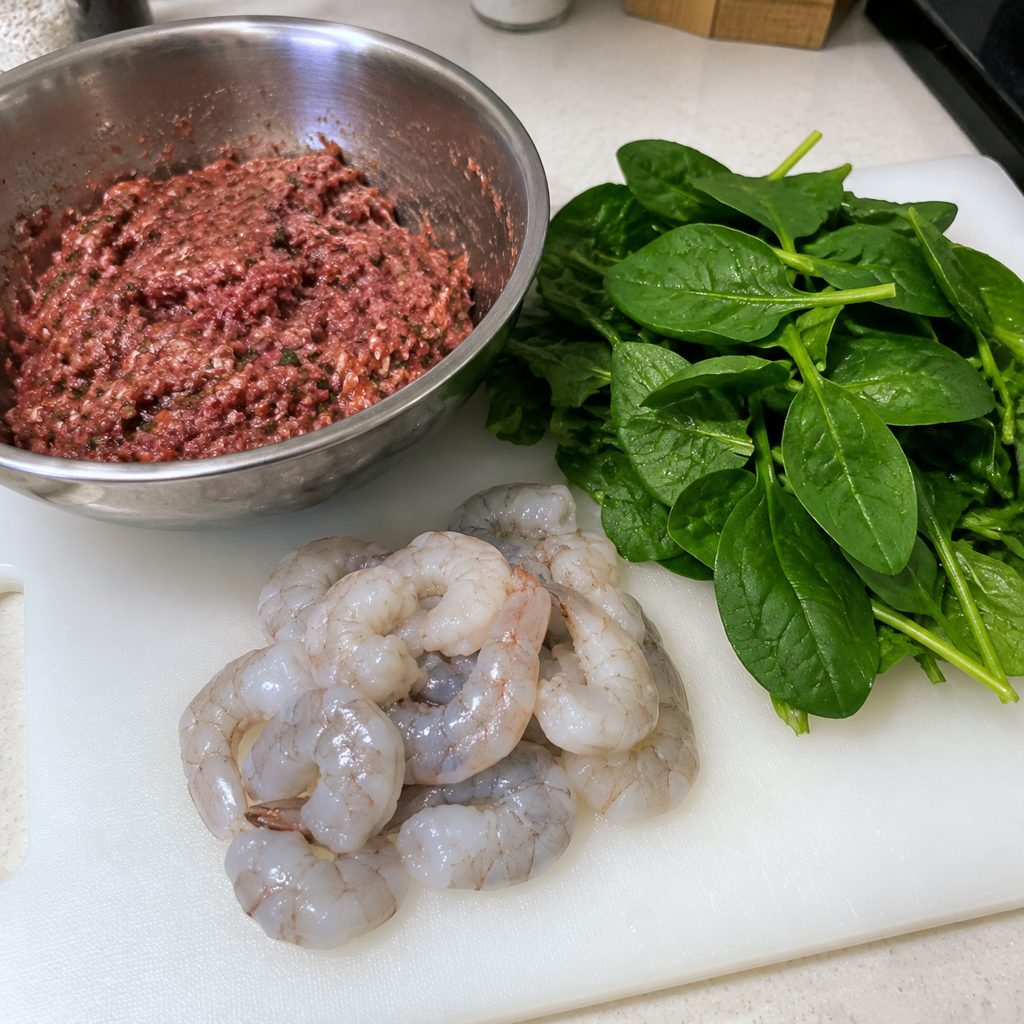
Beef-heart food is one option in a discus menu, especially for growing fish. You can make a simple mix from lean heart, a vitamin supplement, and vegetables, then freeze small portions. There is no single measured recipe ratio here, and beef heart is not essential. Packaged foods are also sold in US marketplaces in flakes, freeze-dried mixes, and pellets, so compare the options before taking on raw-meat preparation.
Homemade or packaged beef-heart food?
US marketplace listings observed in October 2026 included Xtreme Beef Heart Flakes, 3.5 oz for $23.99, and freeze-dried beef-heart mix cubes, 10 g for $15.99. Other listing titles described floating pellets, including a “Blackworm & Beef Heart” product. Some commercial mixes combine beef heart with shrimp, nori, or spinach, so their ingredient blend may differ from a simple homemade heart-and-vegetable recipe. These are dated examples from marketplace listings, not typical prices or guaranteed current offers.
The packaged formats make beef-heart-branded food available without handling raw heart at home. The observed listings did not establish whether homemade recipes are common among US discus keepers, nor whether raw beef heart is recommended by US veterinary sources. No frozen beef-heart product appeared in that particular search, but that does not establish that none is sold. Check product labels and choose an option that suits your fish and your ability to manage leftovers.
Basic ingredients for a small batch
| Ingredient | Role in the mix |
|---|---|
| Lean beef heart | Main protein source |
| Vitamin supplement | Adds nutritional support |
| Vegetables | Provide fiber and micronutrients |
Some recipes also include crustaceans. Start with a small batch and observe how readily the discus eat it and how the aquarium responds. The list is an ingredient outline, not a complete diet formulation with established ratios. The reference care guidance treats beef-heart food as one option, not an exclusive or required feed.
Trim away sinew and fat
Before chopping, remove visible sinew and fat with a clean knife. Those portions can be harder to digest and can foul water if uneaten. Use the lean red meat and remove pale parts rather than leaving them in. Trimming carefully also makes it easier to process the heart into a consistent mix.
Treat raw heart as you would meat prepared for people. Wash your hands and keep the cutting board, knife, and food processor clean. If you have a beef allergy, avoid bare-hand contact and use gloves or choose another food.
Mix, portion, and freeze promptly
- Finely chop the trimmed heart or process it in a food processor.
- Add the vitamin supplement and vegetables, then mix thoroughly.
- Flatten the mixture or divide it into small feeding portions and freeze promptly.
Do not leave raw ingredients at room temperature for an extended period. Work cleanly and move the mixture to the freezer without delay. Freezing can reduce parasite risk, but it does not make raw-meat handling risk-free. Freshness continues to decline in storage, so avoid making more than you can use in a reasonable time. No specific safe storage duration is established in this guide.
Thaw and feed only what the fish will eat
Take out only the portion you need and thaw it in the refrigerator. Do not microwave it; warming can make the food spoil more readily. Offer a small amount that the fish can finish in a few minutes, then watch closely. Rich food is not a reason to give a large portion.
After feeding, siphon or pipette out food that settles on the bottom. Uneaten beef heart breaks down and adds to the aquarium’s waste load. Adjust the next portion if leftovers remain, and include the food’s impact in your normal water-change routine. Our article on the discus feeding schedule covers meal frequency and portion size; our article on cycling a discus tank explains the biofilter’s role in processing waste.
Is a homemade mix necessary?
No. You can use prepared discus food and other suitable options instead. Commercial beef-heart flakes, cubes, and pellet listings show several packaged formats, while homemade preparation gives you control over the ingredients. Either way, watch whether the fish eat it and whether the aquarium stays clean. Avoid treating one recipe or product label as a complete diet plan.
FAQ
Can I make the mix with beef heart alone?
You can prepare heart alone, but the basic recipe includes a vitamin supplement and vegetables to help avoid a narrow mix. There are no fixed quantities in this guide, so treat it as a starting outline rather than a balanced complete-feed formula.
Can I thaw a portion in the microwave?
Use the refrigerator to thaw it slowly. Warming the food can make it spoil more readily. Keep the portion cold until you are ready to feed.
How long can I store the frozen mix?
No specific storage period is established here. Freshness declines even in the freezer, so make manageable portions, keep them clean, and use them promptly rather than storing them indefinitely.
‹ Back to all articles