 The Discus | Discus Fish Care and Breeding Guide
Why Is My Discus Fish Not Eating? Causes and First Steps
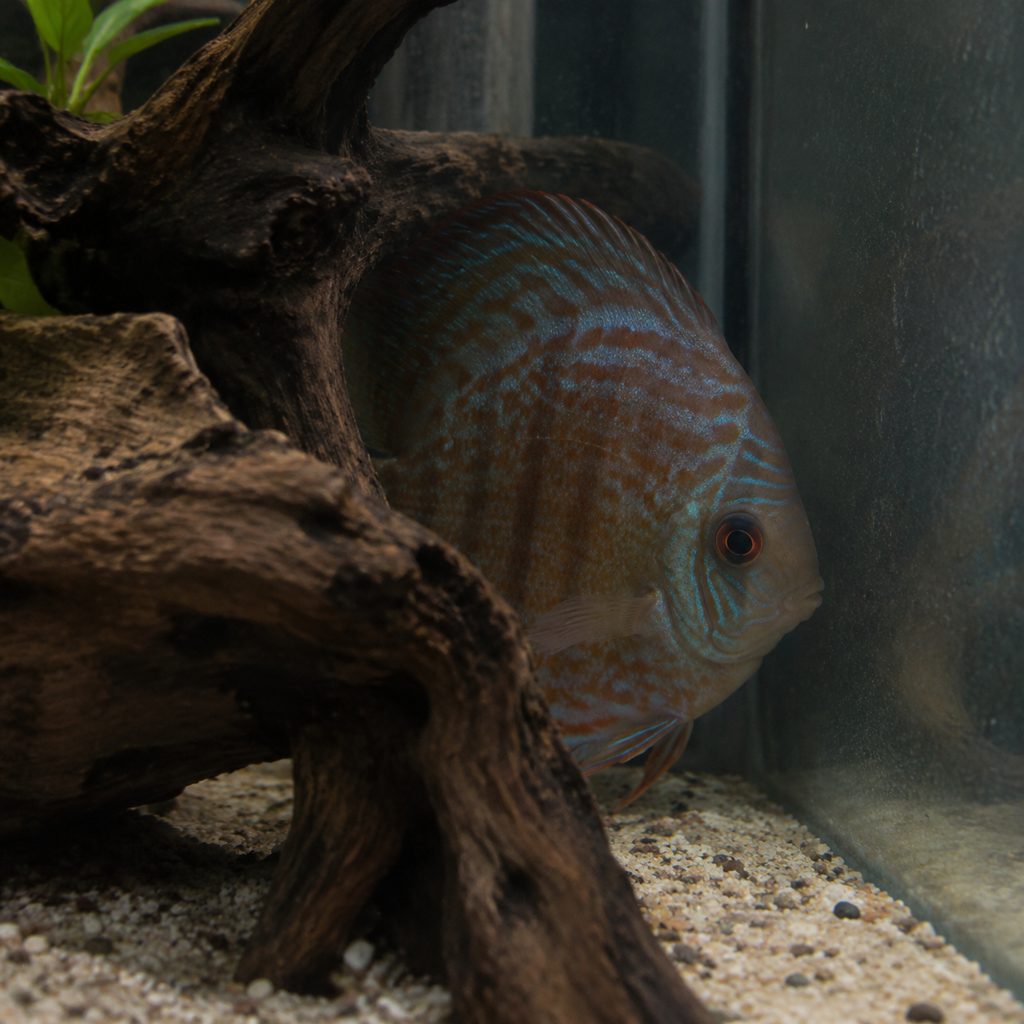
A discus that ignores a familiar meal is telling you something has changed. The cause may be water quality, a recent move, social stress, or illness. Clear water is not proof that ammonia and nitrite are safe, so begin with tests and observations—not a bigger serving of food or an unverified medication.
Look at the whole fish and tank
| What you notice | Possible cause | What to do first |
|---|---|---|
| Refuses food, with waste or debris accumulating | Water-quality problem | Test ammonia and nitrite; siphon uneaten food and waste |
| Hides or darkens after a move | Stress or unfamiliar surroundings | Keep conditions stable and reduce disturbance |
| White, sticky feces or gradual weight loss | Possible illness, among other causes | Record symptoms, test water, and consult a fish-health professional |
Test ammonia and nitrite, and check nitrate and pH if you can. If results show a problem, consider a 30–50% water change using water matched to the tank’s temperature and chemistry, then test again. Don’t make a large change solely because the fish skipped one meal. Siphon food and feces from the substrate, verify the heater is holding 82–86°F (28–30°C), and check the filter for blockage. Watch for tankmates chasing or crowding the fish.
For an adult, offer a small amount once a day while investigating and remove anything left over. That short-term, restrained schedule is not the same as a long-term feeding plan. Growing juveniles need their age-appropriate frequent meals; do not put a fry or young fish on an adult fasting schedule. If appetite returns, start with a small portion of an easily accepted food and increase over several days instead of immediately filling the tank with food.
If the fish has just arrived
A move changes water, surroundings, and routine all at once. A newly introduced discus may hide and refuse food for several days, sometimes up to a week, but there is no verified US discus-specific standard that makes that waiting period safe for every fish. Keep temperature and water quality steady, use a consistent light schedule, and avoid repeated activity in front of the tank. A small amount of a familiar food may be worth offering; remove leftovers promptly.
US product listings use names such as Hikari Discus Bio-Gold sinking food. An Amazon listing retrieved in October 2026 showed a 2.82-oz package at $14.99. That is a product and price example, not a recommendation to use it as treatment or proof that every discus accepts it.
If appetite changed after a water change
Review the temperature and chemistry of the replacement water. Use a conditioner appropriate to the water supply and product label, and match temperature before adding water. A big difference in pH or hardness can also be stressful. Next time, prepare water in advance and change the amount gradually enough to avoid a sudden swing. Recheck the tank rather than assuming the water change itself is the only cause.
Bloodworms are food, not a diagnosis
Retailers commonly list frozen and freeze-dried bloodworms for aquarium fish. In an Amazon search retrieved in October 2026, examples included Hikari Bio-Pure freeze-dried bloodworms (1.58 oz) at $24.56 and a Gamma frozen mini-bloodworm pack (570 g) at $45.00. Those are individual listings, and neither the product nor the price indicates that bloodworms cure appetite loss. If you try a familiar food, offer a little and take out what the fish leaves behind. Avoid cycling through many rich foods while the underlying water or health issue goes unchecked.
When refusal points to illness
Sticky white feces, thinning, abnormal breathing, or a worsening posture alongside appetite loss deserves prompt attention. Hexamita and other illnesses may be considered, but feces and appetite alone cannot identify the cause. Test and log water conditions, weight, feces, and how much the fish eats. Quarantine may help protect other fish, but moving a stressed animal can also add stress; prepare stable water first and ask a professional if you are unsure.
UF/IFAS guidance for ornamental fish says medicated feed is preferred when fish will eat; baths are discussed for fish that will not eat or have external infections. That is general aquaculture guidance, not a treatment plan for a non-eating discus. Bath treatments can affect biofilters and require isolation and careful disposal of treatment water. The American Association of Fish Veterinarians’ location-based “Find a Fish Vet” directory can help US owners locate a fish veterinarian. Do not choose a drug merely because appetite is poor; diagnosis and product labeling matter.
Common questions
Is one missed meal an emergency?
Not necessarily if the fish otherwise behaves normally. Check breathing, feces, posture, and water over the next meals, and act sooner if other warning signs appear.
Should I fast a picky discus?
A brief skipped meal may be reasonable for an otherwise healthy adult, but do not impose fasting on growing fry or juveniles. Persistent refusal or weight loss calls for a closer assessment.
When should I call for help?
Seek fish-health advice if refusal lasts about a week, if the fish is losing weight, or if abnormal feces or breathing appear. A week is a practical warning point from general care guidance, not a locally verified guarantee that waiting is safe.
Our article on discus disease signs explains why matching symptoms with water tests matters before treatment.
‹ Back to all articles