 The Discus | Discus Fish Care and Breeding Guide
How to Bring Home Discus: Acclimation and Quarantine
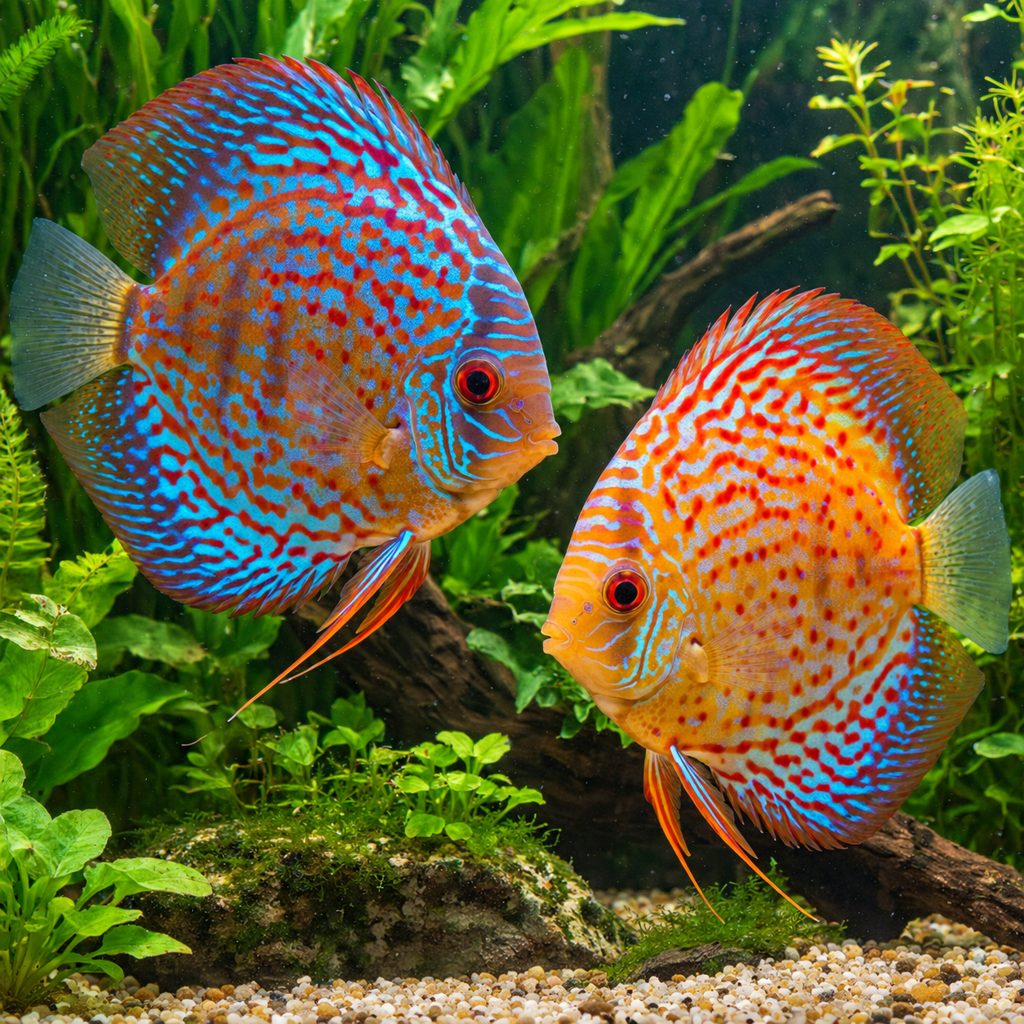
Bringing discus home is exciting, but transport is a stressful stretch for the fish. Get the aquarium ready first, ask how the fish has been shipped, and adapt acclimation to the trip rather than blindly following a timer. A calm arrival and careful observation are more useful than trying to make a new fish eat or act normally right away.
Check the aquarium before pickup or delivery
- Keep adults stable at 82–86°F (28–30°C); juveniles are commonly kept at 86–88°F (30–31°C).
- Confirm ammonia and nitrite are zero and pH is not swinging significantly.
- Verify the heater and filter are operating normally.
- Mature the biofilter before adding fish; an empty tank running for a few weeks alone does not prove it can process waste.
The filtration should be able to process an ammonia source back to zero ammonia and nitrite before fish arrive. If you are ordering fish, confirm the expected arrival window and have a plan for receiving them promptly.
Buying and shipping in the US
Discus are available through specialist online sellers as well as potential local channels, though the sources here verify one online seller rather than a complete list of stores and breeders. One US specialist lists both hybrid and wild discus. Its hybrid category showed fish at $32–$259 depending on fish and options in October 2026; this is a retailer-specific snapshot, not a typical price for every fish or seller.
That seller describes shipping within the US by UPS Priority Overnight or Delta Cargo Dash, with air-cargo shipments going airport to airport. Shipping charges are calculated at checkout. The seller says it uses triple or quadruple bags with aged water and oxygen, opaque liners, and insulated boxes; it reports using heat packs to target 82–84°F. Those are that seller’s stated practices—not a guarantee for every shipment. Ask any seller how fish are packed, which carrier is used, when delivery is expected, and what to do if the box arrives late or the fish appears distressed.
Acclimate according to the trip
For a short journey with a healthy-looking bag, a 30–60-minute process can work as a guide:
- Keep the transport bag closed and float it for about 10 minutes to bring the water temperature closer to the aquarium.
- Consider the shipping time and bag condition before opening it. If the trip was short and the water appears normal, open the bag and add a small amount of aquarium water—about 10–20% of the bag’s water volume.
- If adding more water is appropriate, repeat every 10–15 minutes for 2–3 additions. Keep the overall process within 30–60 minutes; do not leave the fish for a long time in an open bag.
- Net the discus into the aquarium and discard the transport water.
Long transport changes the calculation. Ammonia may build up in the bag, and when the bag is opened and pH rises, a larger share can become the more toxic un-ionized form. Do not apply a slow acclimation routine automatically or keep fish in opened shipping water for an extended period. Follow the seller’s receiving instructions, especially if the trip was long or the bag looks abnormal. The shipping details published by one seller do not establish a universal receiving-day procedure.
Make the first day quiet
Leave the aquarium light off, keep the tank away from direct sunlight, and minimize movement, noise, and vibration. Skip feeding for the rest of the day. A new discus may darken or hide in a corner after arrival; reduce stimulation and observe its breathing and color without hovering over the tank.
A short refusal to eat is common. Some fish ignore food for the first 2–3 days and begin eating within several days to a week. Offer a small portion once the fish has settled and remove leftovers promptly. If it has not eaten after a week, check water quality and health. Faster breathing or dark color that persists deserves attention regardless of the number of days since arrival.
Separate new arrivals when possible
A quarantine aquarium lets you observe new fish before they share water and equipment with established stock. Several weeks of observation can help reveal problems, but no fixed period guarantees that a fish is disease-free; symptoms can emerge later. Use separate equipment and water, manage the quarantine tank’s water quality independently, and watch the fish throughout. If quarantine is not possible, avoid introducing several new variables at once and monitor closely.
FAQ
How many discus should I buy at once?
Discus tend to settle in a group, so four or five or more is one approach when the aquarium has room. A 24 × 18 × 18 in (60 × 45 × 45 cm) tank, about 29–32 gallons, is a guide for 4–5 adults. A 24-inch/20-gallon class tank can have a different actual volume, so check its dimensions before stocking.
My new discus is hiding. Is that an emergency?
Hiding can follow a move. Keep the surroundings quiet and provide a retreat. Watch breathing and color; persistent abnormal breathing or darkening means you should check water and health rather than waiting it out.
Is quarantine necessary, and is two weeks enough?
Quarantine can reduce the chance of introducing disease, but two weeks does not guarantee that every hidden or delayed problem will appear. Use a separate tank and equipment, and continue observing the fish.
‹ Back to all articles